Anger Decoded: Why Rage Feels Like Power | Craig Beck
Sep 14, 2026Why Do I Get So Angry? The Psychology of Rage Decoded
You get so angry because your brain files anger under solutions rather than problems. The moment something threatens you, hurts you, or makes you feel small, your nervous system reaches for the one chemical it owns that turns helplessness into power in under a second. Anger issues are rarely about temper. They are about a reflex that fires before you can think and then pays you for firing. 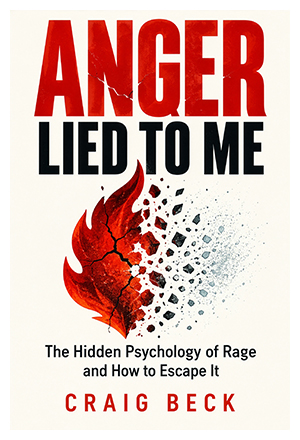 That payment is the part nobody explains, and it is the part that keeps you coming back.
It is 7.42am. One shoe is missing, the school run leaves in three minutes, and a small person is crying about it as though you hid the shoe on purpose. And then you hear it. The tone. The voice you swore on everything you own that you would never use in your own house, the one you remember from the far side of a closed door when you were the small person. It comes out of your mouth fully formed, sharp enough to cut, and the kitchen goes silent. Forty seconds later you are apologising to a seven year old and hating yourself in the car. If that scene, or your version of it, is why you typed the words why do I get so angry into a search bar, then this is the article you were looking for. Because the question you are asking is the wrong one. The right question is why it works.
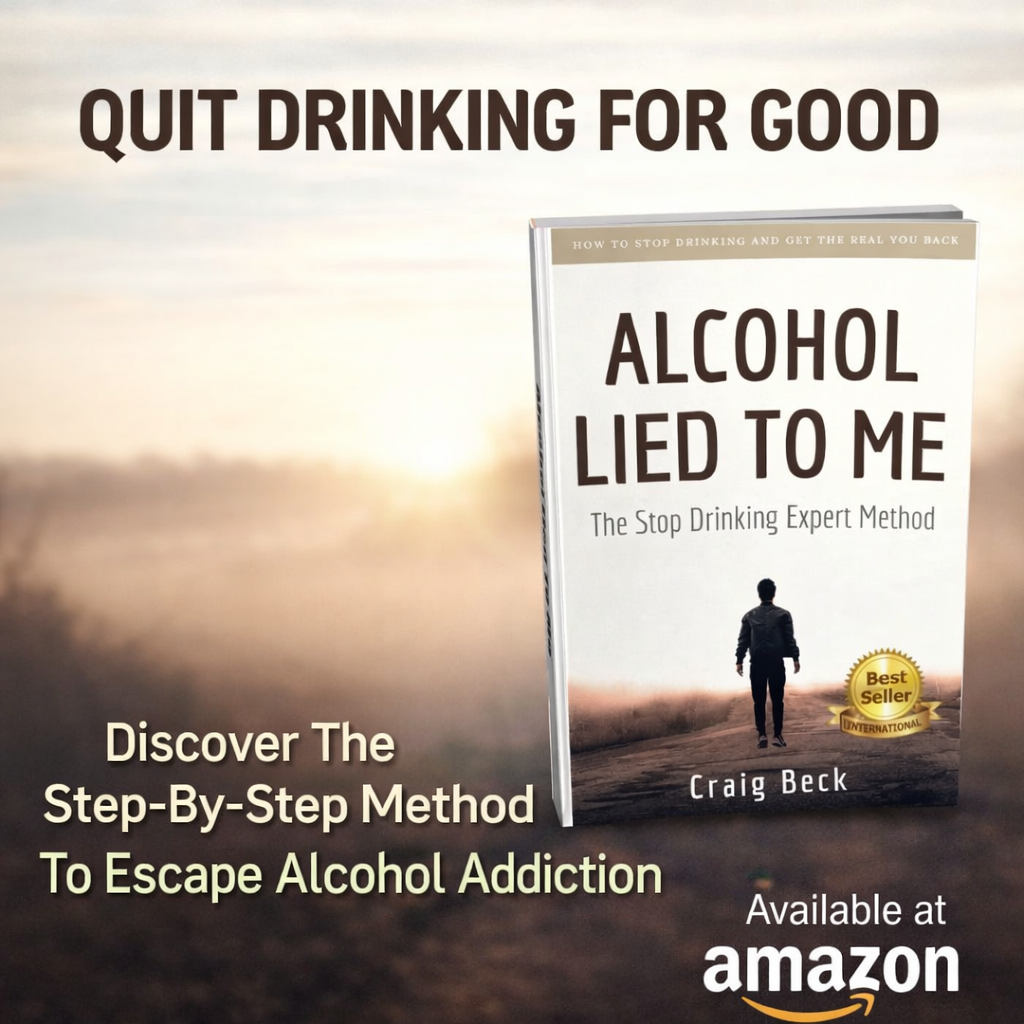
Want the whole method rather than the summary? Get Anger Lied To Me on Amazon and read the full breakdown.
What Anger Is Doing Inside Your Head in the First Half Second
Long before you know you are angry, a small almond-shaped structure deep in your brain has already decided you are under attack. It does not check with the sensible part of you first. It cannot. Its job is speed, and speed means no committee. In about a fifth of a second it has ordered adrenaline into your bloodstream, pushed your heart rate up, pulled blood away from your gut and into your arms and legs, and tightened your jaw. Your body is preparing to hit something. The thinking part of your brain, the bit behind your forehead that handles consequences and tomorrow morning and how much you love the person you are about to shout at, gets its blood supply cut back at the same moment. That is why you cannot reason your way out of rage once it has arrived. The reasoning department has gone dark.
Here is the piece most people have never been told. The chemistry of that surge is short. Left alone, the flush of stress hormones washes through and starts clearing in perhaps 90 seconds. If your anger lasts longer than a minute and a half, and I am guessing it does, that is not the body keeping it alive. That is you, replaying the insult, rehearsing what you should have said, building the case. Every replay orders a fresh dose. Anger is a fire that goes out on its own unless somebody keeps walking over with kindling, and the somebody is always you.
The Lie You Were Sold About Letting It Out
Somewhere along the line you absorbed the idea that anger is pressure in a pipe. Hold it in and the pipe bursts, so the healthy thing is to release it. Punch the pillow, scream in the car, smash a plate, go to one of those rage rooms that charge you 40 quid to take a bat to a photocopier. It sounds like physics. It is not physics. It is a story, and the evidence against it is embarrassing.
A 2024 review pulled together 154 studies covering more than 10,000 people and asked a simple question: which activities calm anger and which ones feed it. Activities that lowered arousal, slow breathing, muscle relaxation, meditation, even a boring walk, cut anger and aggression reliably across every group they looked at. Activities that raised arousal, hitting things, hard running, venting at full volume, did nothing on average, and in some cases made people more aggressive afterwards. You can read the summary in Clinical Psychology Review if you want the numbers. The short version is that venting does not empty the tank. It teaches your nervous system that fury gets to finish its sentence.
Why the myth survives anyway
The pressure valve story lives on because letting rip feels good for about a minute. Your body rewards the discharge with relief, and relief is the most persuasive teacher there is. But the same review found the good feeling is exactly the problem. Every time venting feels like it helped, you have run one more rep of a habit. You are not draining anger. You are training it.
Why Rage Feels Like Power and Why That Is the Whole Problem
Fear, sadness, shame, and disgust all push you away from things. They make you smaller, quieter, more likely to leave the room. Anger is the odd one out. Anger moves you towards the threat, and the brain treats that as a kind of approach, the same family of motivation it uses for wanting a drink, wanting a win, wanting the last word. That is why anger, unlike every other negative emotion, comes with a hit of something that feels suspiciously like pleasure. Your posture changes. Your voice drops. The world gets simple. For a few seconds you are the biggest thing in the room, and after a day of feeling ignored, overruled, or ground down, that is a drug.
Look at what it does to other people, because that is the reinforcement schedule that keeps you hooked. The teenager stops arguing. The colleague backs off. The bloke at the counter suddenly finds the manager. Anger works, in the short term, more often than you would like to admit, and your brain keeps a ledger. Every time a flash of rage gets you what you wanted, it moves the threshold down a notch. Next time, a smaller threat will do. You are not losing control when you rage. You are using the most reliable tool you own. That is a far more uncomfortable truth than having a short fuse, and it is the truth you need.
If you have read my piece on how anxiety lies to you, you will recognise the shape. The emotion that seems to be running your life is not the villain. It is a badly briefed employee doing exactly what it was hired to do.
The Feeling Underneath That Anger Is Hired to Hide
Here is the angle that changes everything, and it is the spine of the book. Anger is almost never the first feeling. It is the second. In the half second before the surge, something else happened, and it was smaller, colder, and far harder to sit in. You felt disrespected. You felt frightened for your kid. You felt stupid in front of people. You felt, for one horrible instant, powerless. And that feeling was so intolerable that your nervous system hired a bodyguard to stand in front of it. The bodyguard is anger. The client is always somebody smaller.
Think about what makes you angriest and be honest. It is rarely the big stuff. It is the driver who cut you up, which is fear dressed as fury. It is your partner not listening, which is the sting of not mattering. It is the child who will not put their shoes on, which is the terror of being late and judged, layered on top of exhaustion, layered on top of a feeling that nobody in this house respects a word you say. Rage arrives to take the feeling away, and it does, for a minute. Then it leaves you with a mess and no idea what you were protecting. I spent the best part of a decade doing the same trick with drink, numbing a feeling I never once bothered to name, and the machinery is identical. The substance is different. The lie is the same.
The full method for finding the client behind the bodyguard is laid out step by step in the book. Grab your copy of Anger Lied To Me if you want to work through it properly.
How the Loop Tightens Without You Noticing
Nobody wakes up one morning as an angry person. It creeps, and it creeps in a loop with four stations. First comes the trigger, the small threat to your status, your safety, or your sense of being heard. Second comes the surge, the bodyguard arriving with adrenaline and a very convincing lawyer. Because that is the other thing anger brings. It never turns up alone. It arrives with a fully prepared legal argument for why you are right and they are wrong, and the argument feels like clarity rather than chemistry. Third comes the discharge, the shout, the slammed door, the message you typed in capital letters, and the brief sweet feeling of having done something. Fourth comes the crash.
The crash is where the real damage happens. The chemistry drains, the reasoning part of your brain comes back online, and it surveys the wreckage. The look on your wife's face. The silence from the kids. The email you cannot unsend. Shame floods in, and shame is not the cure for the last outburst. It is the fuel for the next one. A person who feels ashamed feels small, and a person who feels small has a threat detector turned up to full. The next trigger lands on a raw surface. The loop does not merely repeat. It tightens, and each turn moves the starting point a little closer to the edge, which is why a man who once lost his temper twice a year now loses it twice a week and cannot explain when that happened.
The rehearsal that makes it worse
Between outbursts, the angry mind does not rest. It rehearses. You lie in bed running the argument, winning it this time, adding lines you wish you had used. This feels like processing. It is training. Every rehearsal keeps the threat alive, keeps the cortisol dripping, and makes the next real confrontation feel like a fight you have already lost once and will not lose again. If you struggle to switch that rehearsal off at night, there is a reason I built a stress-lowering hypnosis session that works on the body first, because the body is where the fire is being kept warm.
Why Counting to Ten Has Never Worked for You
Every anger tip you have ever been given arrives at the wrong moment. Counting to ten assumes the part of you that can count is still in charge, and by the time you need it, that part has been sent home. Deep breathing works, and the research on lowering arousal is solid, but nobody remembers to breathe when their jaw is already locked. The punch bag, as we have seen, is a rep of the wrong exercise. And the advice to simply not let things get to you is the emotional equivalent of telling a drowning man to consider being drier. It ignores that the surge fires before choice exists.
Then there is the other failed fix, the one the quiet angry people use. Swallowing it. You do not shout. You go silent, you sulk, you deliver the two-word answer, you make the point three days later with a look. Suppressed anger does not vanish. It gets converted, into resentment, into passive aggression, into a body that runs hot all day and a mind that keeps score. The NHS lists sulking and ignoring people in the same breath as shouting and breaking things, and rightly so. Both are the bodyguard at work. One of them is simply better at pretending to be calm.
Willpower fails against anger for the same reason it fails against everything else. It is a battery, not a generator. You spend it all day being polite to people who do not deserve it, and by the time the shoe is missing at 7.42am the battery is flat. Discipline was never going to be the answer, because discipline is what you use after the surge, and the surge is the problem.
What Changes When You Stop Treating Anger as the Enemy
The shift is smaller than you expect and it changes everything. You stop trying to defeat your anger and start treating it as information. A smoke alarm going off in the kitchen is not a malfunction. It is a report about a fire somewhere, and the fire is never where the alarm is. So, when the surge arrives, the useful question is not how do I calm down. It is what did I feel half a second before this. What was the client the bodyguard stepped in front of. Was it fear. Was it embarrassment. Was it the old familiar sense of being talked over, or the newer one of being irrelevant.
The moment you can name the first feeling, something odd happens to the second. It softens, because it has been made redundant. Anger exists to hide the client, and a client who has been seen no longer needs hiding. This is not a trick for feeling nothing. You will still feel the fear and the smallness, and they are not pleasant. But they are honest, and they are yours, and you can do something about them. You cannot do anything useful about rage except apologise for it. The psychologists call the wider skill cognitive restructuring, which is a grand name for questioning the lawyer. The APA points out that angry thinking loves the words always and never, and those two words alone are a reliable sign that the bodyguard is doing the talking.
There is a deeper layer here that the book goes into properly, about identity. You will make no lasting progress while you think of yourself as an angry person trying to behave. That framing turns every calm day into an act of restraint, and restraint runs out. The people who escape are the ones who quietly stop identifying with the bodyguard and start identifying with the person he was protecting. You were never the anger. You were the one it was hired to hide. It is the same distinction I make in my piece on whether free will exists at all, because so much of what feels like choice is a reflex we have only met from the inside.
One Thing to Do Before You Close This Tab
Do not try to be calmer. That is the failed fix in a new coat. Instead, for the next 48 hours, become an investigator. Every time you feel the surge, whether it discharges or not, open a note on your phone and write down three words, maximum, describing what you felt in the half second before it. Not the trigger. The feeling. Scared. Ignored. Stupid. Trapped. Rushed. You are not trying to stop anything. You are trying to catch the client's face before the bodyguard blocks the view.
After two days, read the list. Most people find the same two or three words appearing again and again, and the pattern is rarely what they expected. A woman who thought she was angry at her husband finds the word invisible seven times. A man convinced the problem was his commute finds the word failing on every line. That list is the map. It tells you where the real fire is, and the real fire is something you can address, which rage never was. If the words on your list frighten you, or if your anger has turned physical towards anyone including yourself, please talk to your GP or a therapist this week; the book walks beside that kind of help, it does not replace it.
The Question Nobody Asks an Angry Person
People ask you what set you off. They ask you why you cannot control it. They ask, usually while packing a bag, why you cannot be like other people. Nobody asks the only question that matters, which is what are you so afraid of. The bodyguard has been standing in front of the answer for years, arms folded, daring anyone to look past him. And you have been grateful, in a way, because what he is guarding is smaller and more frightened than the version of you that shouts. Rage let you feel strong. It never once let you feel safe. Somewhere behind all that noise is a person who has been waiting a very long time for somebody to notice they were scared, and the only person who can get past the guard is you.
Ready to meet them? Anger Lied To Me is available now on Amazon in paperback, Kindle, and audiobook, read by me.
"I had walked out of two jobs and one marriage before I read this. The chapter on the feeling underneath the anger stopped me in a car park. Six months on, my daughter talks to me again." Daniel R., Tulsa, Oklahoma
"I never shouted, I sulked, and I thought that meant I didn't have a problem. This book showed me I was doing the same thing more quietly. My husband said last week that the house feels lighter." Karen M., Sacramento, California
"The three-word note trick sounds too simple to work. Mine said 'not good enough' eleven times in two days. I've had that conversation with myself now, and I haven't slammed a door since February." Marcus T., Raleigh, North Carolina

About the Author
 Craig Beck is widely regarded as the world's leading authority on persuasion and human behaviour. A former broadcaster, certified NLP Master Practitioner, and bestselling author of more than one hundred books, he has spent twenty years taking apart the hidden machinery behind why people do what they do and why they keep doing it after they have sworn to stop. Over a million readers worldwide have used his work to understand influence, motivation, and the private wiring behind their own decisions. He has no interest in theory for its own sake. He shows you the code, then hands you the tools.
Last updated: September 14, 2026
FAQ SECTION:
Frequently Asked Questions
Does venting anger help you calm down?
No, and the evidence is surprisingly firm. A 2024 review of 154 studies found that activities designed to raise arousal, such as hitting a punch bag, shouting it out, or smashing things, did nothing to reduce anger on average and sometimes increased aggression. Activities that lower arousal, including slow breathing, muscle relaxation, and meditation, reduced anger reliably across every group studied. Venting feels good for a minute because relief is rewarding, but that reward trains the habit rather than draining it. The most useful thing you can do in the surge is bring your body down, not let it finish its sentence.
Why do I feel so ashamed after I lose my temper?
Because the part of your brain that weighs consequences was offline during the outburst and only returns once the chemistry drains. When it comes back, it surveys the damage with full clarity, and shame is the natural result. The problem is that shame makes you feel small, and feeling small turns your threat detector up, which lowers the bar for the next outburst. That is why anger loops tighten over time rather than fading. Breaking the loop starts with understanding that the shame is fuel, not punishment, and with looking for the feeling that came before the anger rather than fixating on the anger itself.
Can you get rid of anger completely?
You would not want to. Anger is a signal that something you value is under threat, and a life without it would leave you unable to protect yourself or the people you love. The goal is not to remove the alarm but to stop it being the only thing you hear. When you learn to catch the first feeling, the fear or embarrassment or powerlessness that anger arrives to cover, the rage becomes far less frequent and far less intense, because it has less to hide. If your anger has become violent or you feel unable to manage it at all, speak to a GP or a qualified therapist alongside any book or method.